
Liquid Bread
The Origin of Bock Beer

Beer Before the Pyramids
Beer is older than the pyramids - literally. Egyptian workers were paid in daily rations of a brew that to us would be barely recognizable as a proper pint. From that ancient and humble origin, the brewer’s art has grown in creativity and technology until today there are scores of styles (and sub-styles within them) for us to enjoy.
Today, we explore one of the classics: the origins of Bock.
Einbeck: Where Bock Began
There is little contention about where Bock beer originated - Einbeck, Germany. A little south of Hanover, Einbeck was a major brewing center and thanks to two innovations, it produced a beer of consistently superior quality.
First, quality control and logistics. Brewing in Einbeck was overseen by the municipality, which owned the equipment and employed the brewers. While locals could malt their own grain, all beer was brewed by city professionals. The result? A consistently high-quality beer - perfect for the Hanseatic League’s wide trade networks.
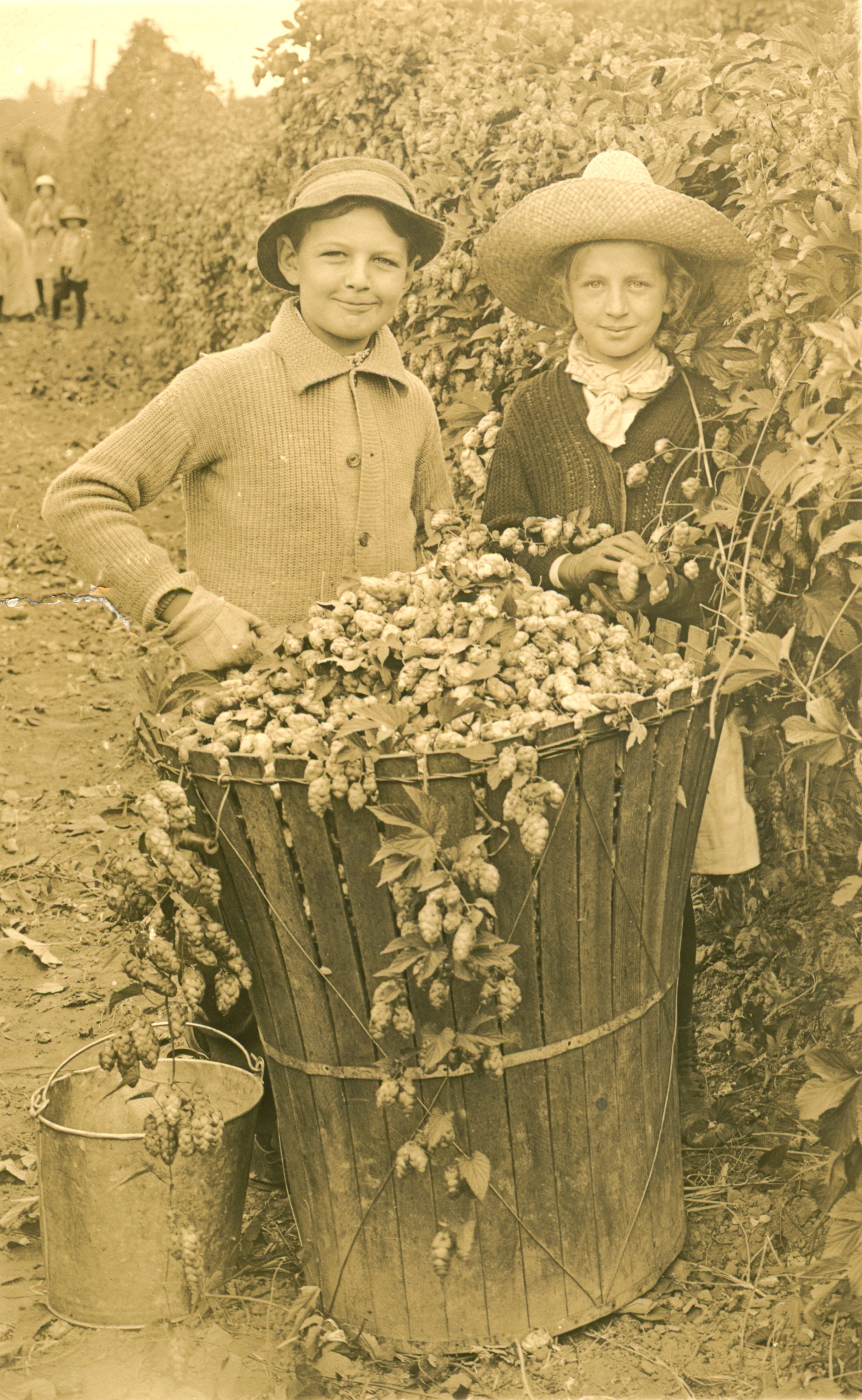
Second, hops. Earlier beers were preserved with herbal blends called gruits - thick, porridge-like and often bitter. By using locally grown hops with pale malts, Einbeck brewers created something far more delicate and drinkable.
From Einbeck to Munich
Munich, another great brewing center, soon took notice. Determined to master this new style, they lured an Einbeck brewer south to teach the techniques. Adapted with Munich’s own darker malts, local hops and winter lagering, the result was a darker, richer, maltier beer - the Bock we know today.
Liquid Bread
Bock, once “liquid bread” for winter sustenance, became one of Germany’s most enduring beer traditions. What started as Einbeck’s innovation, Munich transformed into a deep, malty lager still brewed and savored around the world.
So the next time you sip a Bock, you’re not just drinking a beer. You’re tasting history - from medieval trade routes to modern pint glasses.